Microneedling for Acne Scars – How It Works and What to Expect

Microneedling on acne scars

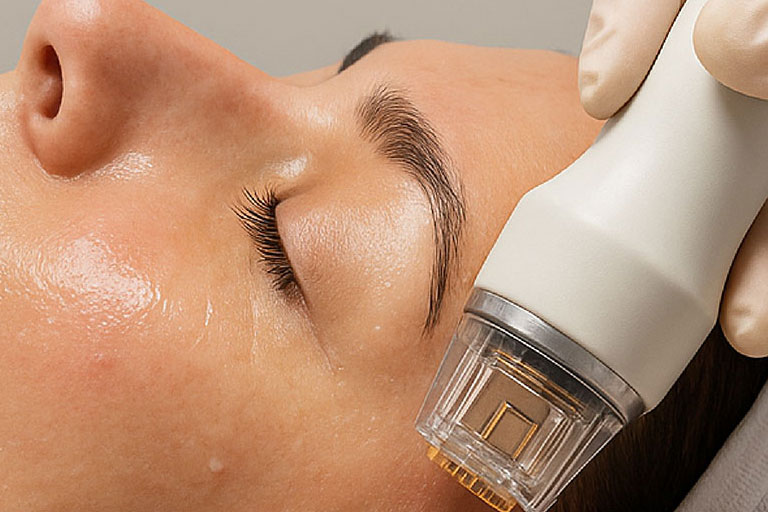
Microneedling, also known as collagen induction therapy, is a minimally invasive treatment designed to stimulate the skin’s natural healing response. By creating controlled micro-injuries, microneedling boosts collagen and elastin production, helping smooth out uneven skin texture caused by acne scars. At EliteLife Skin Centre, we use advanced microneedling technology to deliver safe and effective results tailored to each skin type.

What Types of Acne Scars Respond Best to Microneedling

Not all acne scars respond the same way to microneedling. Research shows that atrophic scars such as rolling, and boxcar scars improve significantly because they benefit from collagen remodeling. However, ice pick scars, which are deeper and narrower, often require a combination approach such as subcision or laser treatments . Raised or hypertrophic scars typically do not respond as well, making a professional consultation essential to determine the right treatment plan.

How Many Microneedling Sessions Are Needed for Visible Results

While some patients notice subtle improvements after the first session, meaningful results usually require a series of treatments. On average, 3 to 6 microneedling sessions spaced 4–6 weeks apart deliver the best outcome for acne scar reduction. Clinical studies show that repeated treatments lead to consistent improvements in scar depth, texture, and overall skin smoothness.

Downtime and Healing Process After Microneedling for Acne Scars

The recovery process is typically mild compared to more aggressive resurfacing treatments. Most patients experience redness, slight swelling, and sensitivity for 24–72 hours post-procedure. By day 3–5, the skin begins to heal, and visible improvements in texture appear over the following weeks as collagen production accelerates. It’s crucial to follow proper aftercare, including gentle cleansing, sun protection, and avoiding harsh actives. Many patients also pair microneedling with treatments like HydraFacial or RF microneedling for enhanced skin rejuvenation.

What Works – Proven Microneedling Results for Acne Scars

Microneedling is a well-established, minimally invasive option for improving atrophic acne scars by stimulating collagen induction and dermal remodeling. At EliteLife Skin Centre, we use medical-grade devices and personalized protocols to target scar texture and depth.

 Microneedling + PRP (“Vampire Facial”) for Enhanced Scar Reduction

  1. Combines microneedling with Platelet-Rich Plasma (PRP) to accelerate healing and boost collagen production.
  2. Clinical studies and meta-analyses show greater improvement in scar grading and higher patient satisfaction compared to microneedling alone.
  3. Particularly effective for stubborn rolling and boxcar acne scars.
  4. Recommended as a combination treatment for enhanced, long-lasting results.

Needle Depth Importance in Treating Acne Scars

Needle depth is a critical variable: shallow settings are effective for surface texture and pore concerns, while deeper penetration is needed to stimulate remodeling for boxcar and rolling scars. Providers must tailor depth to scar type and skin thickness something in-clinic treatments do reliably compared with at-home devices. Proper depth selection reduces risk (e.g., post-inflammatory hyperpigmentation) and maximizes collagen induction.

What Doesn’t Work – Risks, Limitations, and Alternatives

While microneedling is effective for many types of acne scars, it’s not a universal solution. Understanding its limitations, risks, and alternative treatments can help you make informed choices for smoother, healthier skin.

Does Microneedling Work on Ice Pick Scars and Deep Acne Scars?

Microneedling delivers noticeable improvement for rolling and boxcar scars, but ice pick scars and very deep acne scars often require additional treatments. Because these scars extend deep into the dermis, microneedling alone may not fully remodel the tissue. For patients with mixed scar types, dermatologists often recommend combination approaches such as microneedling with chemical peels or energy-based devices like RF Microneedling to maximize results. In some cases, advanced procedures such as TCA CROSS or fractional laser resurfacing may be better suited.

Risks and Side Effects of Microneedling Acne Scars

When performed by trained professionals, microneedling is generally safe. However, patients should be aware of potential side effects, including:

  1. Temporary redness, swelling, and pinpoint bleeding
  2. Post-inflammatory hyperpigmentation (more common in darker skin tones)
  3. Minor infection risk if aftercare is not followed

Choosing a trusted medical clinic reduces these risks by ensuring strict sterilization protocols and customized aftercare plans. Patients are also guided on when to avoid microneedling such as during active acne flare-ups or if certain skin conditions are present.

microneedling vancouver

Microneedling vs. Laser Treatments for Atrophic Acne Scars

For many patients, the question is whether to choose microneedling or laser resurfacing for acne scars. Microneedling is minimally invasive, has a shorter downtime, and is safer for a wider range of skin types. However, fractional CO₂ or erbium lasers may provide more dramatic results for deep atrophic scars, albeit with longer recovery times and higher cost.

At EliteLife Skin Centre, patients often start with microneedling to improve skin texture and collagen production, then consider advanced options like laser resurfacing or RF microneedling for more resistant scars. A personalized consultation helps determine the right balance between results, downtime, and skin safety.

FAQs on Microneedling for Acne Scars


  1. How many microneedling sessions are needed for acne scars? Most patients need 3 to 6 sessions, spaced 4–6 weeks apart, for noticeable improvements. The exact number depends on scar depth, skin type, and whether treatments are combined with options like PRP microneedling.
  2. Can microneedling worsen acne or hyperpigmentation? When performed professionally, microneedling is safe. However, it should not be done on active acne breakouts, as it may spread bacteria. In some cases, temporary hyperpigmentation may occur, but this risk is minimized with proper aftercare.
  3. Is at-home microneedling effective for acne scars? At-home derma rollers have very short needles, which only improve product absorption and skin glow. They do not reach the depth needed to remodel acne scars. Professional microneedling in Vancouver is far more effective and safer.
  4. What’s the average cost per session of microneedling for acne scars? Prices vary by clinic and whether PRP or RF microneedling is included, but on average, patients can expect $300–$700 per session in Vancouver.


Conclusion: Is Microneedling Right for Your Acne Scars?

Microneedling is a powerful, minimally invasive treatment that stimulates collagen, improves skin texture, and reduces the appearance of acne scars over time. While it works exceptionally well for rolling and boxcar scars, deeper ice pick scars may need combination treatments such as RF microneedling, PRP, or fractional laser resurfacing for best results.

At EliteLife Skin Centre, our specialists provide customized microneedling treatments designed for your skin type and scar profile. With advanced technology, strict safety protocols, and personalized aftercare, we help you achieve smoother, more confident skin.

Scroll to Top

Stay in the loop